Desk note · 16 February 2026
The opening range, marked once
The first minutes of the cash session deserve one box on the sheet. They do not deserve a new story at every print.
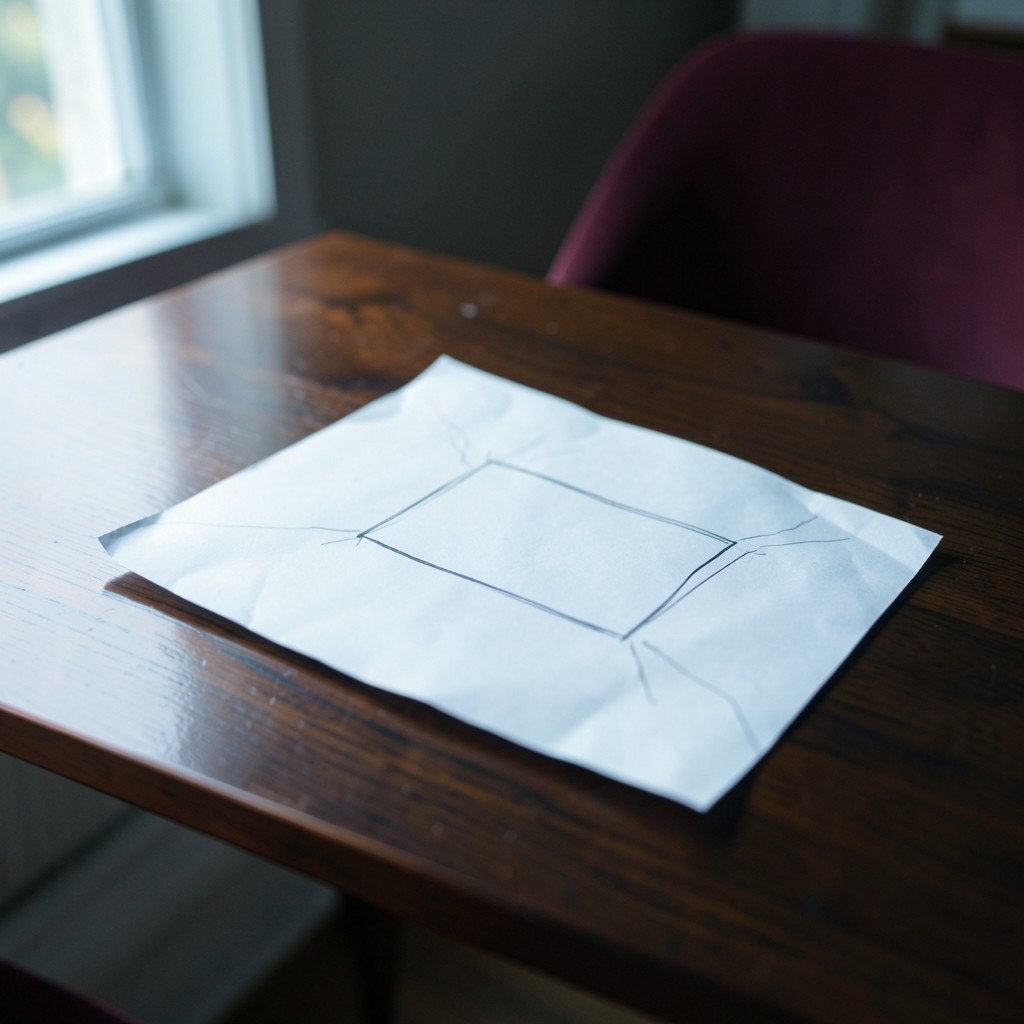
One box, then the pencil rests
We treat the opening range as the high and low of a short window you choose before the open and then stop revising. At the studio the window is the first thirty minutes of the cash session. You draw the box once, when the window ends. You do not nudge it because a later print poked a few ticks outside.
Nudging is how a range becomes a diary. The box is useful only if it stays where you put it, so the rest of the day can be described as inside it or outside it.
What the circle will not do
The 08:10 circle does not sit through the open together. People have their own desks to return to, and a shared running commentary would turn the room into a pit we are not trying to build. The card’s instruction is personal: mark the box at the end of your window, then go back to the three levels you wrote before the open.
If the open breaks one of those levels, you note the fact in the sentence after the close. You do not invent a fourth level in the first hour because the break felt important. Importance can be written down later, when the session high and low are known.
A modest use
An opening range will not rescue a book that has no weekly high on it. Students who love the box and skip step two are asked, on Thursday, to show the weekly sheet first. Often the box sits entirely inside a week that was already mapped, and the morning drama shrinks.
That shrinking is the result we care about. Technical analysis training, as we practice it, is less about finding a clever mark and more about refusing extra marks until the early ones have been given their place.
The pre-open circle ends before this box is drawn. What you do with the first half hour is part of the same card, practiced on your own sheet.